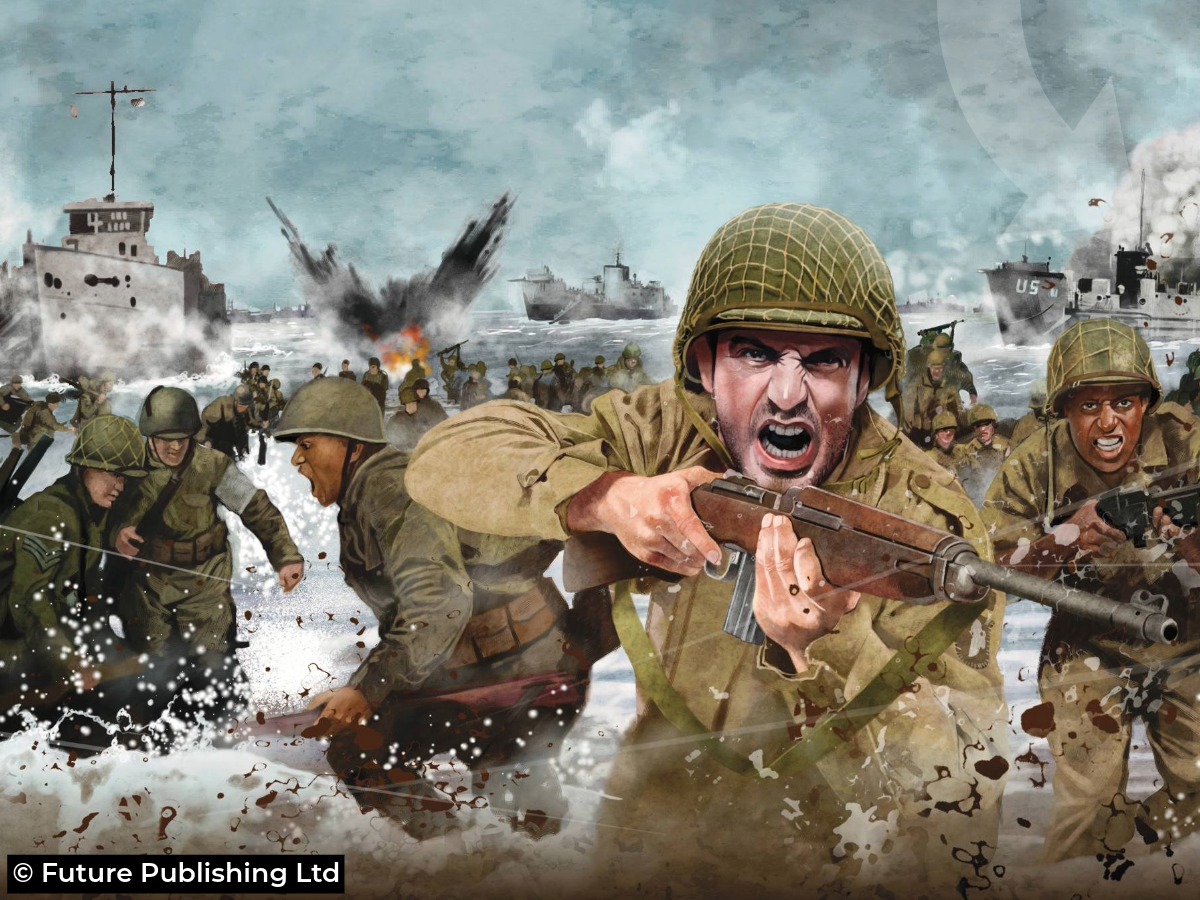
Fascinating facts about the beach landings of 6 June 1944
There’s probably a lot you know about the Normandy Landings and D-Day, the amphibious invasion of mainland Europe by the Allies that significantly changed the shape of WWII. But with such a massive event, fought on so many fronts, there are all sorts of fascinating facts that may have passed you by. Here are just a few of our favourites.
.jpg)
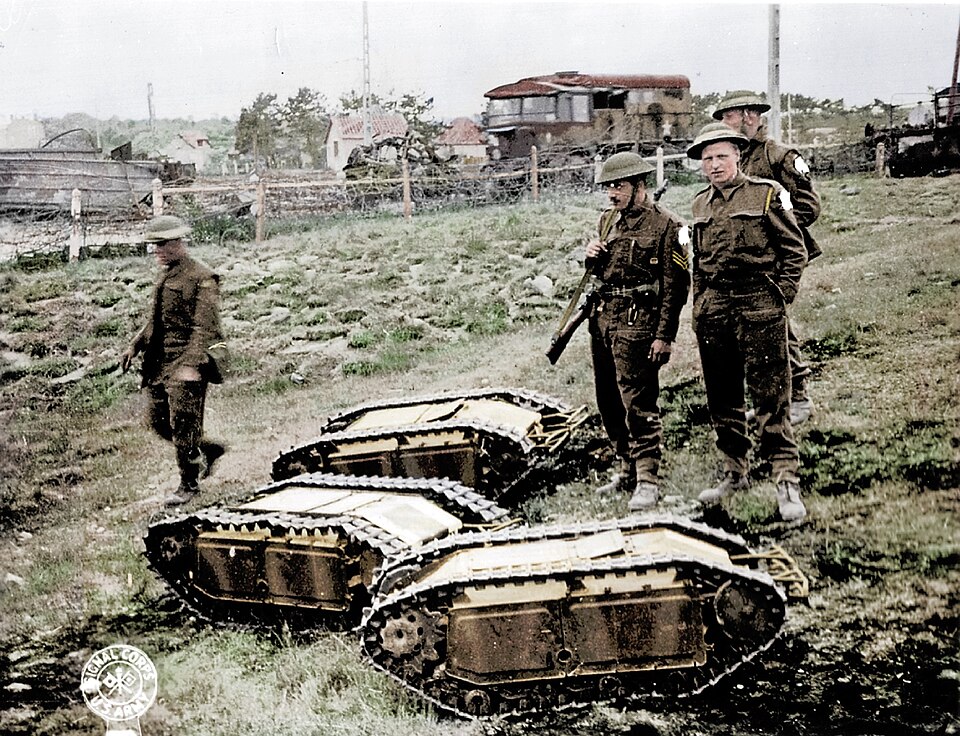
Yes, there were drones (of a kind)
The Germans fielded remote-control Goliath mini-tanks better known as ‘beetles.’ Small, tracked and laden with high explosives, they were steered by a joystick into tanks and tightly packed infantry. They were of limited effect.
There was air support for far afield
Although most concerned with the Pacific War in 1944, the Royal Australian Air Force and Royal New Zealand Air Force provided air support for the D-Day landings.
It wasn’t just British Commonwealth and American troops
One regiment of Free French and one of Polish Armed Forces In The West took part in the Battle of Normandy.
The Germans weren’t on their own either
German troops weren’t alone in defending Normandy on D-Day either. The Wehrmacht’s 709th and 243rd Static Infantry Division was comprised of former Soviet POWs, as well as conscripts and volunteers from Poland and Georgia.
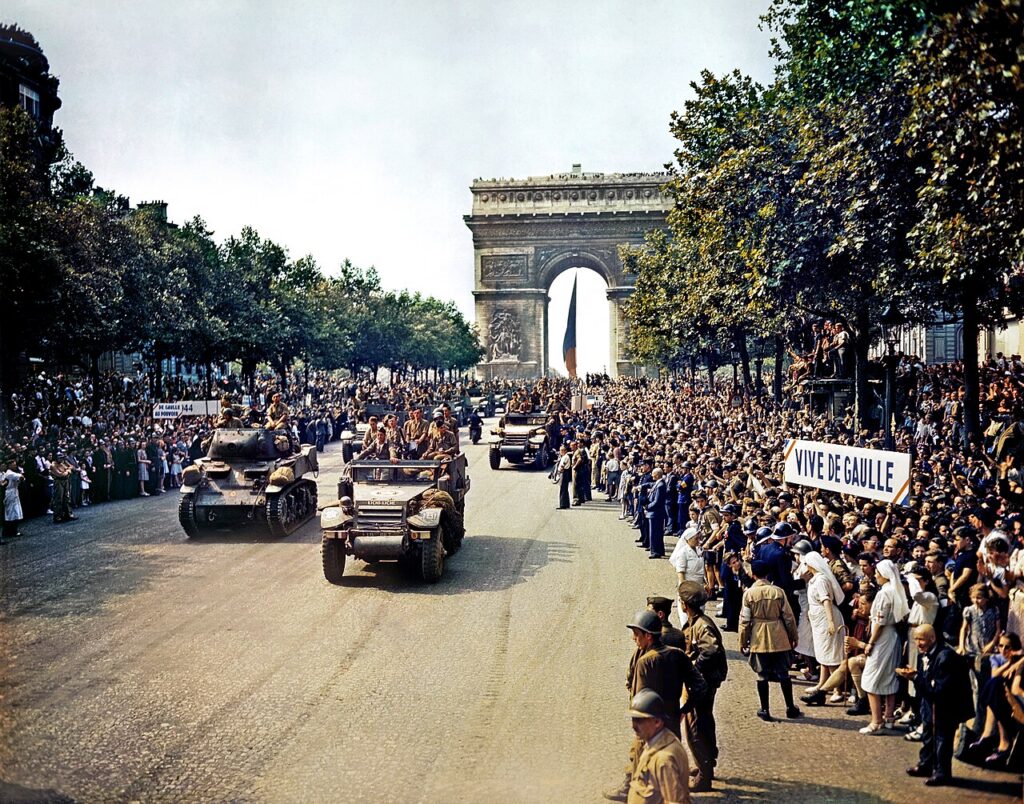

D-Day was just the beginning
After D-Day, the Battle of Normandy lasted another two months, with Paris finally falling to the Allies in August 1944. Operation Overlord wasn’t just confined to the beaches, it was the plan for the complete liberation of France.
A crossword nearly revealed everything
A series of Daily Telegraph crossword answers – Juno, Sword, Gold, Omaha, Mulberry (code for the prefab harbours), Neptune (code for the naval assault) and Overlord – in the run-up to D-Day were investigated by MI5 as a possible security leak. Believed at the time to be a coincidence, the crossword was compiled by a headmaster who would invite boys into his study to write down words into the grid. Speaking after the war, two of his former pupils revealed that the codewords were common knowledge around the nearby army camp – only the locations and timings were unknown.
One man could have ruined it all
One of MI5’s double agents involved in the Operation Bodyguard deception knew the whole thing was a ruse. On 29 April 1944, the German-born Johnny Jebsen – codename Artist – was kidnapped from Portugal and taken to Berlin where he was tortured in the Gestapo headquarters, before being sent to a concentration camp (his arrival was registered along with his broken ribs), from where he simply disappeared. He took the secret of D-Day to his grave.
Some prisoners ended up in Texas
From D-Day through to the Battle of Normandy, the US Army sent 30,000 prisoners a month to POW camps in Texas – the largest concentration of German POWs in the US.
.jpg)
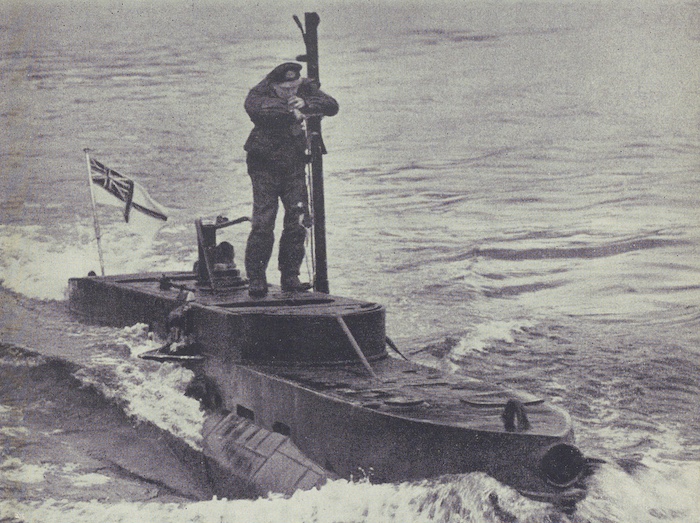
Midget subs led the way
The Allies used two X-class four-man submarines to mark the outer limits of Sword and Juno Beaches. They arrived on 4 June and stayed submerged until 4.30 am on D-Day, where they used masts with lights to guide the British vessels in.
We have the bayou to thank for the landing craft
The flat-bottomed landing crafts used in D-Day were invented by New Orleans businessman Andrew Higgins for navigating the Louisiana swamps. Eisenhower described him as “the man who won the war for us”, and even Hitler dubbed him the “new Noah.”
Subscribe to
All About History now for amazing savings!
Follow All About History on…