Ahead of his appearance at Chelsea History Festival, Iain MacGregor speaks to us about the five-key elements of warfare, the importance of the siege of Alesia and the defining battle of the American Civil War
As depressing a fact as it may be, war has – and continues to – define much of our history. Indeed, it is believed that mankind has spent more of its history fighting than it has at peace. From the ancient Greco-Persian and Punic wars, to the Crusades of the middle ages, the American Civil War and the global conflicts that shaped the early 20th century, war litters the past. But how have individual battles helped shape these larger conflicts? And whilst weapons and tactics may have changed, what elements remain crucial to defeating the enemy? Ahead of his appearance at Chelsea History Festival, Ian MacGregor – the author of the upcoming Battle: The Moments that Transformed Warfare from Ancient Greece to Ukraine – spoke to us about the changing nature of conflict and why he considers Chancellorsville more impactful than Gettysburg.

Moments that changed warfare is a large topic. How did you choose which battles to include?
Well, obviously its personal choice. I chose five key elements that you can see repeated throughout the evolution of warfare; morale, leadership, innovation, subterfuge, timings, and numbers. I had a spreadsheet on my wall featuring dozens and dozens of battles and from these I picked battles that would show how tactics, leadership, weapons etc, evolved. Where usually I could pick six battles to demonstrate this in any given period – in some instances I had to just pick one.
The ancient world is renowned for its epic battles, what was one you consider particularly impactful?
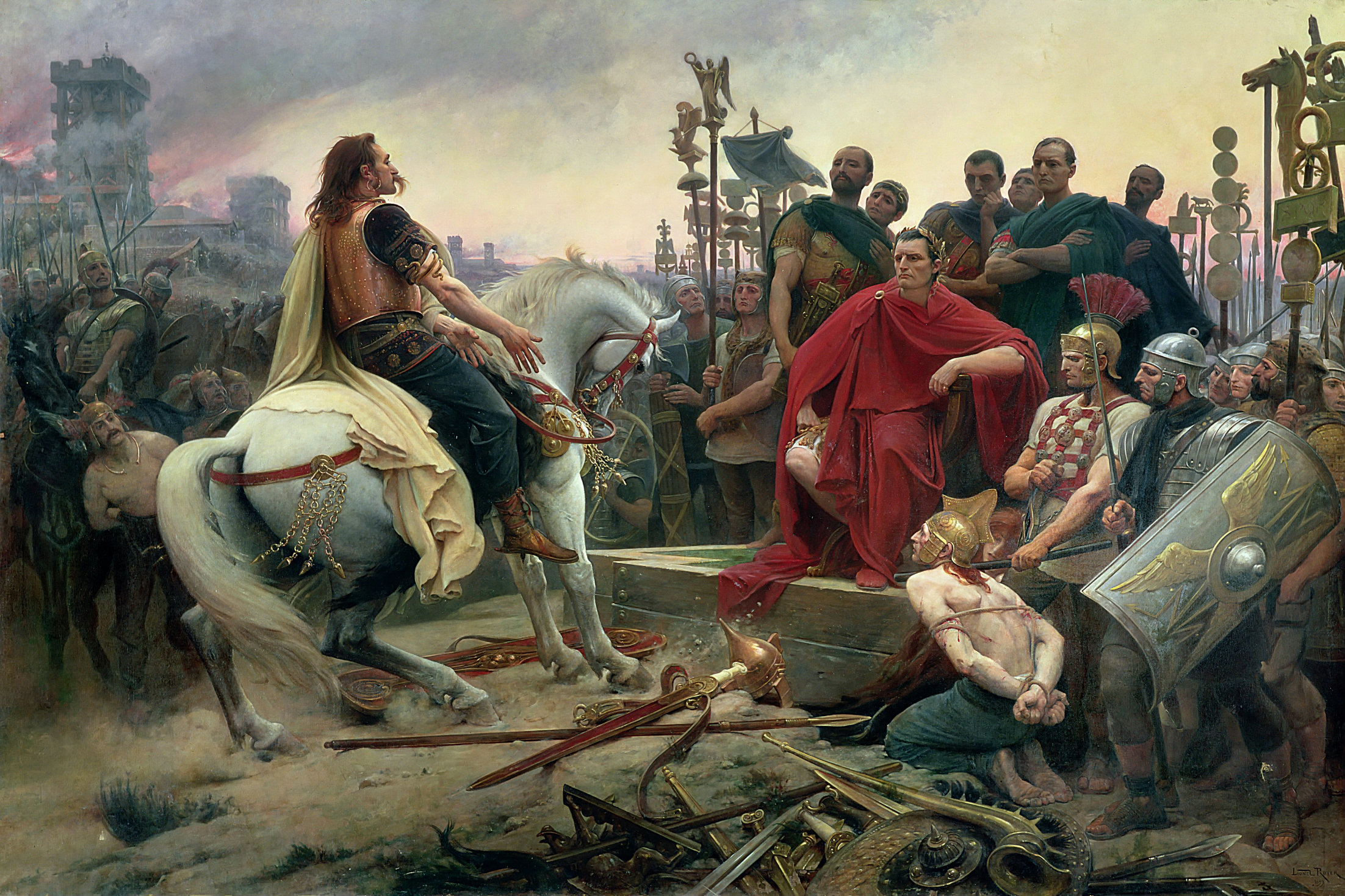
I would say the siege of Alesia, during Julius Caesar’s campaigns in Gaul in 52 BCE. That’s always been one of my favourites. On the one hand you’ve got the incredible war machine that the Roman army had become. This in terms of logistics, defense, offense, the tactics that they employ but also their cohesion and particularly their discipline. This is a pure, relentless war machine. But it doesn’t mean anything if they’re not led correctly, and from that derives morale – they have to believe that they are going to defeat whatever army is in front of them. That’s why I think Alesia has always appealed to me. One of the core arguments I make at the beginning of the book is that whilst weapons, uniforms, and technology have obviously changed beyond all recognition, the importance of morale and leadership has not. Alesia could have been not only a catastrophic defeat for the Roman army, but strategically and politically, for Rome itself. However, it’s held together and it’s dominated by the charisma and the military leadership of Julius Caesar.
The American Civil War is often considered one of the first modern wars, what is an example of how a traditional factor is still important despite the modernisation?
I suppose, once again, leadership. Obviously, Robert E. Lee is the amazing, aggressive, innovative military commander of the Confederate Army of Northern Virginia in the Eastern Theatre of the American Civil War. In the hands of a lesser Confederate supreme commander, the war might have been over in two and a half years, but putting Lee in charge of what was the most important theatre operations for the South elongated the war. Just through his brilliance. Within that, I could have chosen five or six battles but I am drawn to Chancellorsville because it’s the peak of Lee’s brilliance as a military commander. However, it also provides the first clue that with that genius comes a price that the South would ultimately pay at Gettysburg later that summer, with catastrophic results. But Chancellorsville, shows that yes, he can deliver victories, but by achieving that, his army suffered enormous casualties, including many important subordinates. But Chancellorsville is still an incredible feat of arms.
Iain MacGregor will be speaking at Chelsea History Festival On Saturday 3rd October. Tickets and further details can be found here. Our full interview Iain will be featured in All About History Issue 174, available from the 1st of October.

Callum McKelvie is features editor for All About History magazine. He has a both a Bachelor and Master’s degree in History and Media History from Aberystwyth University. He has previously worked as an Editorial Assistant publishing digital versions of historical documents.
Subscribe to
All About History now for amazing savings!
Follow All About History on…