
There was a dark side to the Roman leader and Stoic philosopher
It’s easy to picture Marcus Aurelius as the ultimate “philosopher king”, the wise Stoic scribbling Meditations in his tent while war raged outside. His most famous depiction, in the 2000 film Gladiator, played by Richard Harris, certainly drew on that image, but even then the film portrayed him as conflicted about his own legacy. Was the last of the ‘Five Good Emperors’ really a flawless hero, or was he as ruthless of a warlord as any Roman ruler?
The case for Marcus as a positive figure is a strong one, largely thanks to his lifelong dedication to philosophy and the writings he left behind. As a 12-year-old, he was already dressing like a philosopher with a Greek cloak, and he carried this love into his reign, even setting up four Chairs of Philosophy in Athens. His private writings, Meditations, offer a peek into a mind striving for virtue, urging himself to “keep your directing mind its own master.”
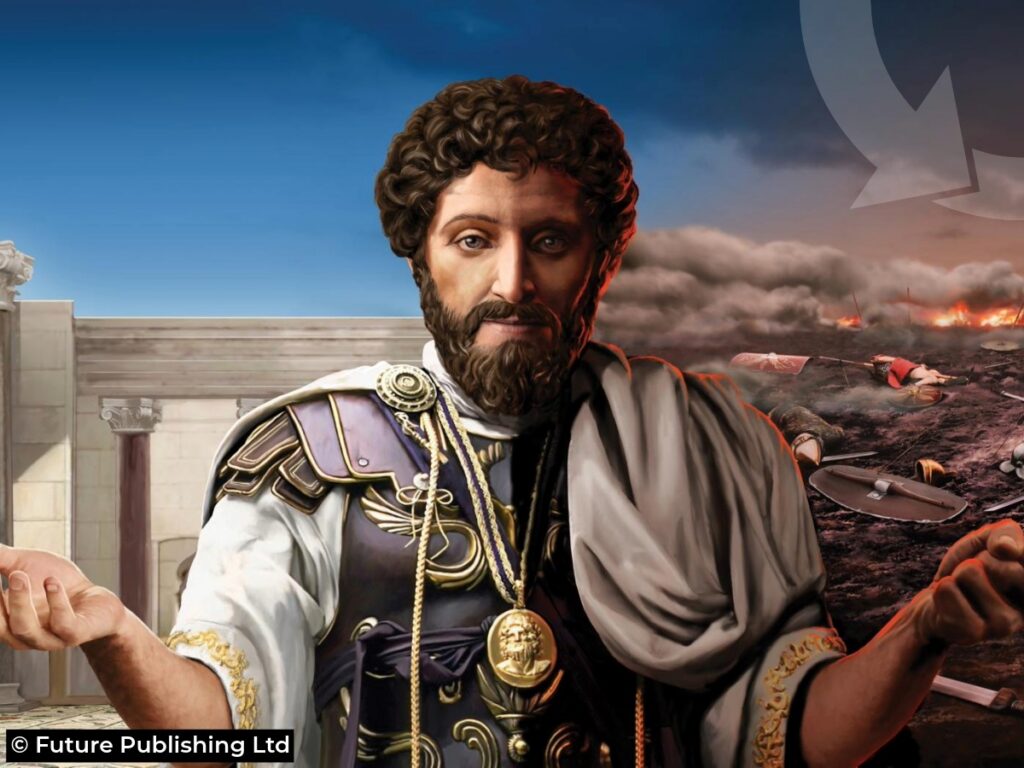
Evidence suggests he was also an able and dedicated leader, albeit a reluctant one. When he finally donned the purple toga of rulership he seemingly accepted his titles with a heavy heart and put duty first. Historian Cassius Dio even claimed he “he ruled better than any others who had ever been in any position of power.” He had to deal with plague, war and revolt in his tenure, but managed to keep the empire together.
A more critical view reveals a tough, pragmatic emperor, not just a gentle sage. As head of the Roman state, Marcus showed little mercy to his enemies. His actions could also be seen as strategically flawed: in consolidating his rule, he sent three top legions to fight the Parthians, which left the northern Danube border largely undefended. This major military decision directly contributed to the start of the Marcomannic Wars, with further devastating effects.
Finally, there’s the elephant in the room: his son, Commodus. While Marcus gave him an excellent education, he was ultimately succeeded by a son who became one of Rome’s most depraved rulers. Was this a failure of fatherhood or unavoidable? Whatever his culpability, this transfer of power casts a dark shadow over Marcus’s legacy.
Ultimately, Marcus Aurelius was a complex man who battled between his philosophical ideals and his imperial duties, an able leader whose story is marked by both triumphs and profound ironies.
The All About History Archive contains more than 600 images like the one above and hundreds of accompanying features examining world history from ancient Egypt to the Cold War. More assets and articles are being added all the time. To search and purchase images directly from the Image Archive, please register here.

Jonathan is the Editor of All About History magazine, running the day to day operations of the brand. He has a Bachelor’s degree in History from the University of Leeds. He has previously worked as Editor of video game magazines games™ and X-ONE and tech magazines iCreate and Apps.
Subscribe to
All About History now for amazing savings!

Follow All About History on…