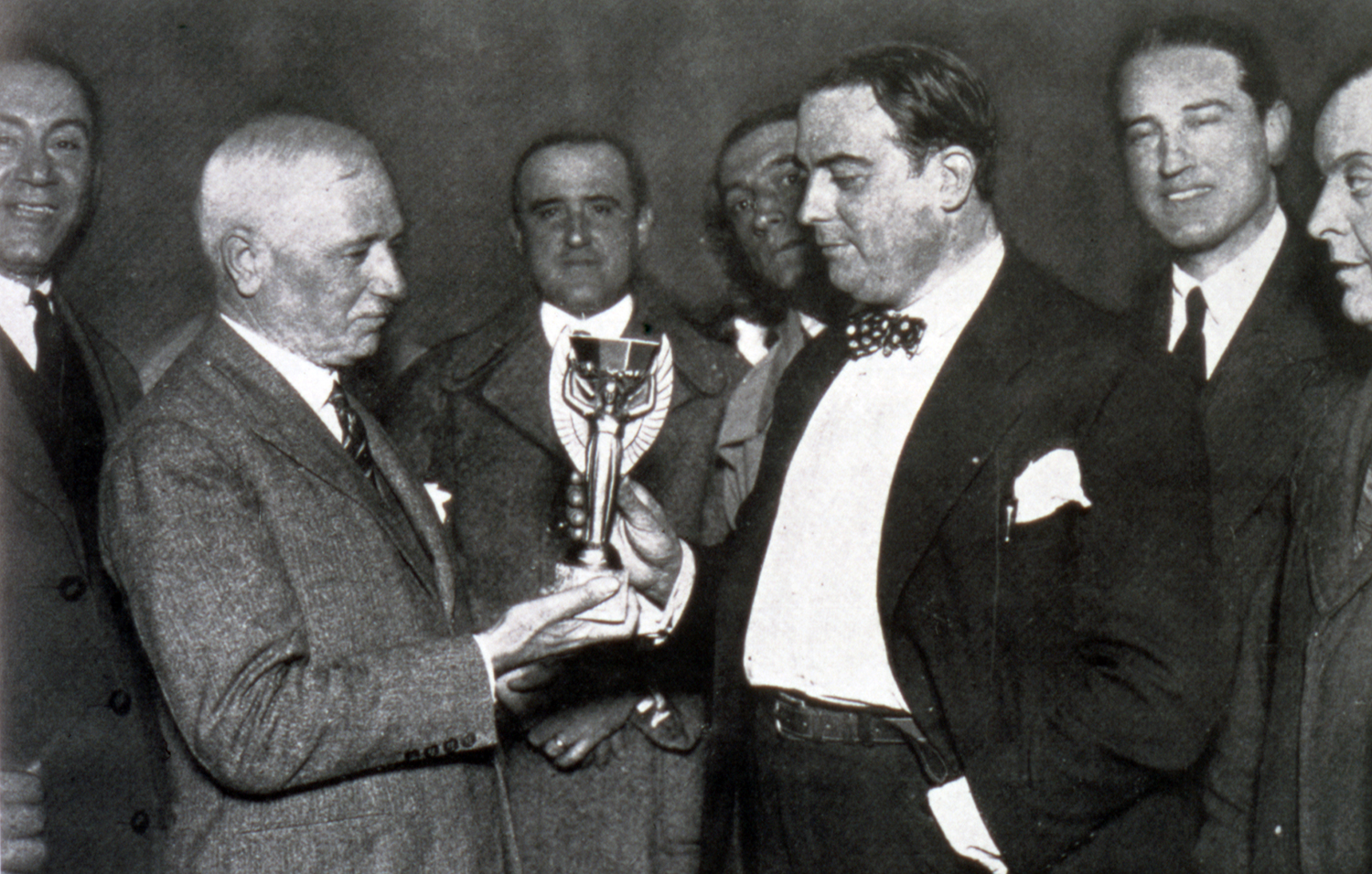
The original World Cup was stolen twice… and may never be found again
In March 1966, ahead of the World Cup hosted by England, the Jules Rimet trophy was stolen while on display at Central Hall in Westminster, London. The trophy, originally known as Victory, was later renamed after the competition’s founder. It was made of solid gold and insured for about £30,000 at the time of the robbery. Interestingly, it was being shown as part of a Stampex exhibition ahead of the tournament and the thieves didn’t steal the stamps on display, believed to be worth around £3 million.
A ransom of £15,000 was demanded by the gang, who sent their request to FA chairman Joe Mears. An exchange was arranged involving undercover officers from the Flying Squad (the elite branch of the Metropolitan Police at the time), but the attempt fell apart. Instead, the trophy was discovered by David Corbett, a barge worker on the Thames, and his dog Pickles while they were out on a walk. Pickles had started sniffing at a parcel by a parked car in south London. Corbett promptly took the trophy to Gypsy Hill police station. It remains unclear why it was left wrapped in newspaper at this location.
However, that was just a reprieve for the Jules Rimet trophy. After winning the World Cup three times, Brazil were permanently awarded the trophy in 1970 (it was replaced by the FIFA World Cup Trophy still used today). It was then put on display by the Brazilian Football Association in its Rio de Janeiro offices. In December 1983, thieves overpowered the nightwatchman and stole the trophy. Despite a nationwide appeal and investigation, the Jules Rimet trophy was never found and it’s feared it was melted down into bullion.
[Banner image credit: Public Domain/El Gráfico]

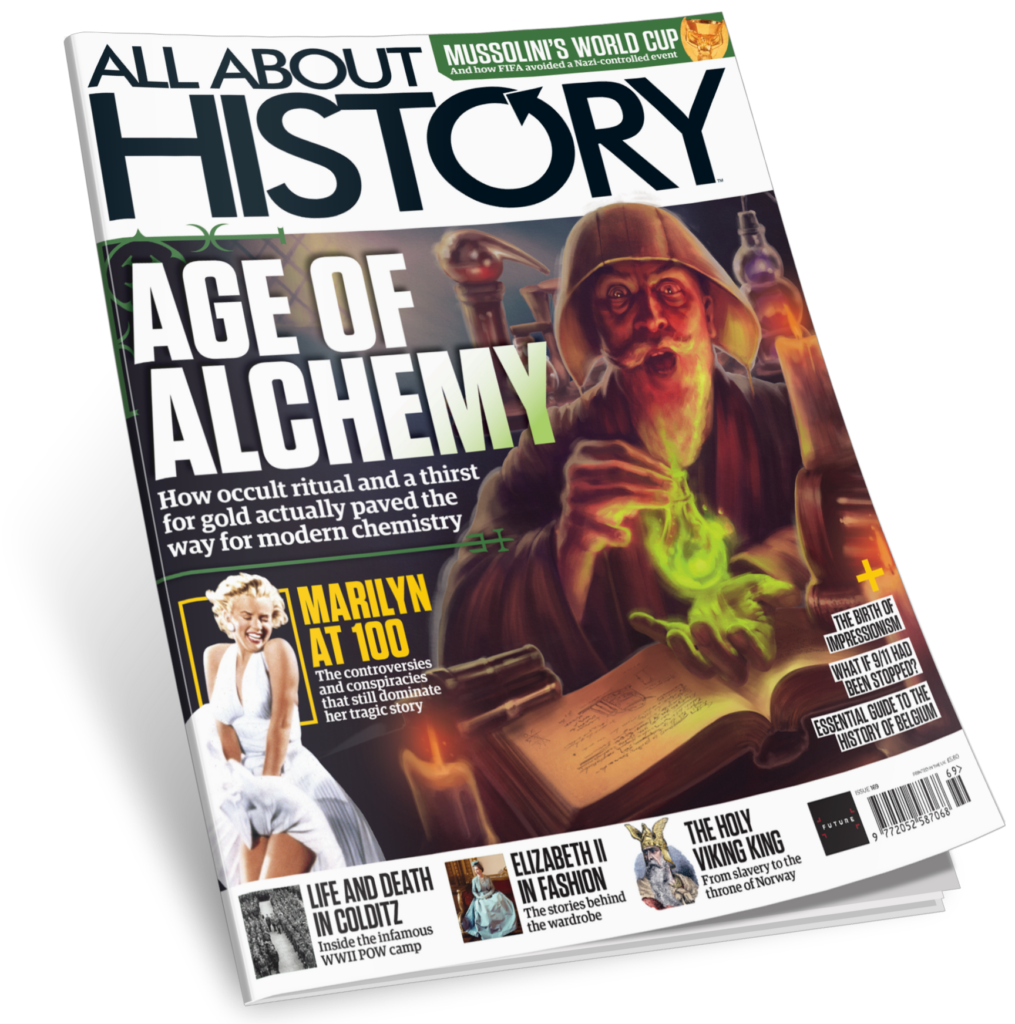
You can learn more about the history of the World Cup with football author Jonathan Wilson in All About History 169, available from MagazinesDirect.com

Jonathan is the Editor of All About History magazine, running the day to day operations of the brand. He has a Bachelor’s degree in History from the University of Leeds. He has previously worked as Editor of video game magazines games™ and X-ONE and tech magazines iCreate and Apps.
Subscribe to
All About History now for amazing savings!

Follow All About History on…